
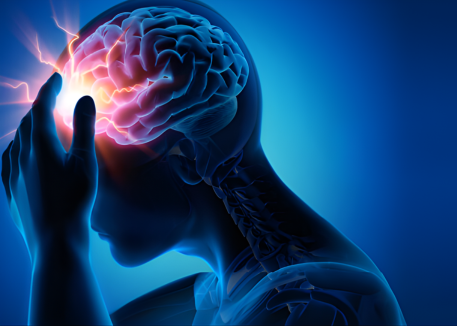
Heat Stroke and the Brain: How Extreme Summer Temperatures Affect Your Nervous System
Summer temperatures in India are rising every year, and extreme heat can have serious effects on the body. While many people are aware of dehydration and heat exhaustion, fewer understand how dangerous heat stroke can be for the brain and nervous system.
According to Dr. Dheemanth Reddy, MBBS, DNB – Neurology, Neurologist in Hyderabad, severe heat exposure can disrupt the brain’s normal functioning and lead to neurological complications. Recognising early warning signs and understanding how heat affects the nervous system can help prevent serious health risks during the summer months.
What Happens to the Brain During Heat Stroke?
The human body maintains a stable internal temperature through a process called thermoregulation. However, when environmental heat becomes extreme and the body cannot cool itself efficiently, core body temperature may rise above safe levels.
When this happens, the brain becomes one of the most vulnerable organs. Excess heat can disrupt normal brain cell activity, affect nerve signalling, and lead to symptoms such as confusion, dizziness, and even loss of consciousness if medical attention is delayed.
How Heat Stroke Affects the Nervous System
Heat stroke is not just a general medical emergency, it is also a neurological emergency. High body temperatures can interfere with the central nervous system, which controls essential functions such as awareness, coordination, and body temperature regulation.
As heat stress increases, individuals may experience neurological symptoms like disorientation, agitation, difficulty speaking, or seizures. In severe cases, prolonged exposure to extreme heat may cause inflammation in brain tissues and affect long-term neurological health.
Warning Signs of Heat Stroke That Should Never Be Ignored
Early recognition of heat stroke symptoms is critical because timely treatment can prevent serious complications. Many people initially confuse heat stroke with simple fatigue or dehydration, which delays medical intervention.
Common warning signs include:
- Severe headache
- Confusion or disorientation
- Dizziness or fainting
- Hot, dry skin with reduced sweating
- Rapid heartbeat or breathing
- Sudden neurological symptoms such as seizures
If these symptoms occur during extreme heat exposure, immediate medical care is essential to protect brain function.
Who Is at Higher Risk During Extreme Summer Heat?
Although anyone can develop heat stroke, certain individuals may face a higher risk during extremely hot weather. People who work outdoors or remain exposed to direct sunlight for long periods are particularly vulnerable.
High-risk groups include:
- Outdoor workers
- Older adults
- Children
- Individuals with neurological or cardiovascular conditions
- People taking certain medications that affect hydration or body temperature
Taking preventive steps during hot weather can significantly reduce the risk of heat-related neurological problems.
Protecting Your Brain During Extreme Summer Temperatures
Preventing heat stroke begins with simple but effective precautions during the summer season. Maintaining proper hydration, avoiding prolonged sun exposure, and allowing the body to cool down are essential protective measures.
Some important preventive strategies include:
- Drinking adequate fluids throughout the day
- Avoiding outdoor activity during peak afternoon heat
- Wearing light and breathable clothing
- Taking frequent breaks in shaded or air-conditioned environments
- Monitoring early symptoms of heat exhaustion
Dr. Dheemanth Reddy explains: “Extreme heat can directly affect the brain and nervous system. Early recognition of heat stroke symptoms and timely medical evaluation are important to prevent neurological complications.”
Conclusion
Heat stroke is more than just a summer illness. It can have serious consequences for the brain and nervous system if not recognised and treated quickly. As temperatures continue to rise, awareness about heat-related neurological risks becomes increasingly important.
By staying hydrated, limiting heat exposure, and recognising early warning signs, individuals can protect themselves from serious complications. If neurological symptoms occur during extreme heat, consulting a neurologist can help ensure timely evaluation and appropriate care.
Related Services:
References & External Resources:
Disclaimer:
This content is for educational purposes only and should not replace medical consultation. Please contact your doctor for personalised advice.
If you experience confusion, severe headaches, or neurological symptoms during extreme heat, consult neurologist Dr. Dheemanth Reddy in Hyderabad for expert evaluation and guidance.