Understanding the Condition
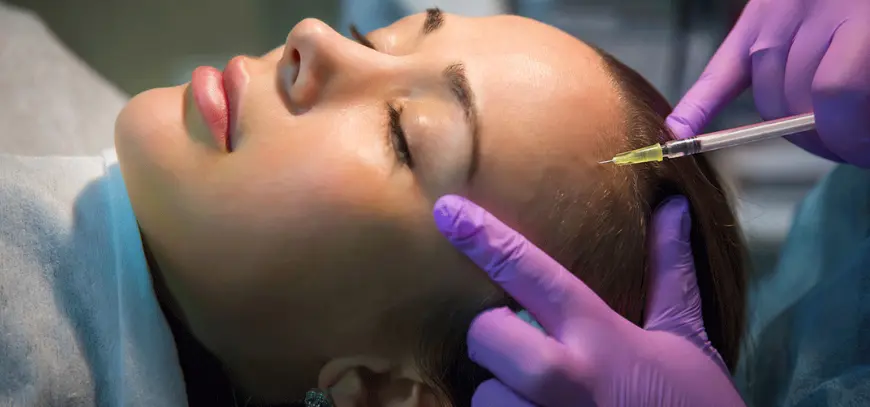
Botulinum toxin type A — commonly known as Botox — is a potent neuromuscular modulator used in neurological practice for decades. When injected in precise, low doses into specific muscles or nerve pathways, it reduces abnormal muscle contraction and modulates pain signalling. In Hyderabad, demand for neurological Botox has grown as patients seek effective options for chronic migraine, post-stroke spasticity and dystonia.
Unlike cosmetic Botox, neurological applications follow strict protocols regarding muscle mapping, unit dosing, injection intervals and safety monitoring. Conditions treated include chronic migraine (defined as headache on fifteen or more days per month, with migraine features on at least eight days), cervical dystonia causing painful neck twisting, blepharospasm with involuntary eyelid closure, and focal spasticity limiting limb function after stroke or injury.
At NeuMed Clinics in Nallagandla, Dr. Dheemanth Reddy brings specialist neurology training to Botox administration. Each treatment plan is individualised based on diagnosis, prior treatment response, comorbidities and functional goals — whether reducing migraine days, improving head posture, or restoring hand function for daily activities.
Patients from Nallagandla, Gachibowli, Kondapur and across western Hyderabad access Botox therapy as part of integrated neurological care, with follow-up coordinated alongside other treatments such as physiotherapy, oral medications and lifestyle modification.
Hyderabad's western corridor — including Nallagandla, Gachibowli and Kondapur — has seen growing demand for structured neurology services that combine clinical expertise with accessible community-based care. NeuMed Clinics was established to meet that need with extended weekday and weekend hours.
Common Symptoms
Candidates for migraine Botox typically experience frequent disabling headaches despite adequate trials of oral preventive medications, or cannot tolerate side effects of standard preventives. Chronic daily headache with medication overuse may require stabilisation before Botox initiation.
Cervical dystonia presents with sustained or intermittent neck muscle contractions causing abnormal head position — torticollis, laterocollis or retrocollis — often accompanied by neck pain and social embarrassment. Spasticity after stroke manifests as stiff, tight muscles in arm or leg, limiting range of motion, hygiene and walking.
Blepharospasm causes involuntary eyelid closure that interferes with reading, driving and social interaction. Hemifacial spasm produces unilateral facial twitching. Each condition has characteristic patterns that neurological examination confirms.
Before Botox, Dr. Dheemanth Reddy assesses severity scales, prior interventions, allergy history and medications that may interact with neuromuscular function. Photographs or video documentation sometimes assist baseline recording for dystonia and spasticity.
Continuity of care matters. Dr. Dheemanth Reddy maintains records across visits so adjustments reflect your full history rather than isolated snapshots. This longitudinal approach is especially valuable for chronic conditions requiring months or years of coordinated management.
When to Seek Medical Care
Consider Botox consultation when chronic migraine persists despite two or more appropriate preventive medication trials, cervical dystonia causes functional impairment or pain unresponsive to oral agents, or post-stroke spasticity limits rehabilitation progress.
Do not delay emergency care for acute stroke symptoms — sudden weakness, speech difficulty or facial drooping require immediate hospital evaluation. Botox for spasticity is part of long-term recovery planning, not acute stroke treatment.
Review Botox timing if previous injections showed partial benefit — dose or pattern adjustment may improve outcomes. Report difficulty swallowing, breathing changes or widespread weakness after prior injections promptly.
NeuMed Clinics schedules Botox appointments with adequate time for assessment, injection and post-procedure observation. Contact 94947 56675 or book online for consultation availability.
Patient education is embedded in every consultation at NeuMed Clinics. You receive practical written guidance on warning signs, medication schedules, lifestyle priorities and when to seek urgent care — reducing uncertainty between appointments.
Our Approach at NeuMed Clinics
Our approach begins with confirming diagnosis and ensuring Botox is appropriate. Dr. Dheemanth Reddy discusses expected benefits, realistic timelines, costs and alternative therapies so patients make informed decisions. Consent is obtained with clear documentation of injection sites and planned follow-up.
Injection sessions follow evidence-based protocols — PREEMPT pattern for chronic migraine, anatomical muscle targeting for dystonia, and limb muscle selection guided by spasticity distribution. Ultrasound or EMG guidance may enhance precision in selected cases.
Post-injection care instructions cover activity restrictions, warning signs and follow-up scheduling. Headache diaries or spasticity scales track response objectively. Adjustments at subsequent sessions refine dosing based on clinical outcome.
NeuMed Clinics integrates Botox within broader neurological management — migraine trigger counselling, stroke risk factor control, and physiotherapy referral for spasticity — ensuring treatment addresses the whole patient, not just injection sites.
Many patients combine care at NeuMed Clinics with workplace health programmes or insurance-supported investigations. Our team helps coordinate referral letters, prescription documentation and follow-up timing to fit professional schedules common across Gachibowli and Financial District workplaces.
Clinical insight: Neurological Botox is not cosmetic treatment — it is a medically supervised therapy with specific dosing protocols, injection patterns and follow-up schedules tailored to each condition.
Diagnostic Evaluation
Diagnostic confirmation precedes every Botox treatment. For migraine, detailed headache history establishes chronic migraine criteria and excludes secondary causes. For dystonia, clinical examination identifies affected muscle groups; genetic or metabolic testing is arranged only when atypical features suggest hereditary dystonia.
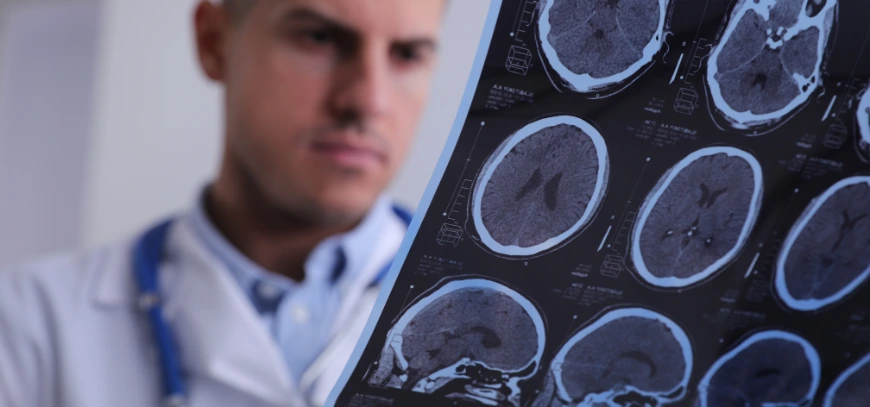
Spasticity assessment uses Modified Ashworth Scale and functional evaluation of hygiene, dressing and mobility. Brain MRI may already exist from stroke workup; repeat imaging is not routine before Botox unless new neurological signs emerge.
Baseline photographs for dystonia, migraine day counts over three months, and documented prior medication trials support medical necessity and track progress. Allergy to human albumin or botulinum toxin components contraindicates certain formulations — alternative products are discussed when relevant.
Cardiovascular and neuromuscular review ensures safe administration. Patients on aminoglycoside antibiotics or with active infection at injection sites may need deferral.
Family involvement is welcomed when appropriate. Caregivers, spouses or parents accompanying patients receive clear explanations of the treatment plan, improving adherence and home monitoring for symptoms that matter between visits.
Treatment Options
Chronic migraine Botox involves thirty-one fixed-site injections across head and neck muscles every twelve weeks. Benefit accumulates over multiple cycles; three sessions are often needed before judging full response. Concurrent acute migraine therapies continue as prescribed.
Cervical dystonia dosing targets hyperactive sternocleidomastoid, splenius and trapezius muscles with gradual titration to balance effect and weakness. Blepharospom and hemifacial spasm require periorbital and facial muscle precision.
Post-stroke limb spasticity Botox focuses on functionally relevant muscles — finger flexors, wrist flexors, elbow flexors or ankle plantar flexors — often combined with casting, splinting and intensive physiotherapy for maximal gain.
Repeat treatment intervals maintain benefit; missed sessions may allow symptom recurrence. Dr. Dheemanth Reddy maintains continuity across cycles, adjusting technique as muscle response evolves.
Seasonal patterns in Hyderabad — monsoon-related infections, summer dehydration, festival dietary changes — are factored into preventive counselling so your management plan remains relevant throughout the year.
Lifestyle & Prevention
Between Botox sessions, migraine patients benefit from sleep regularity, hydration, stress management and limited acute medication use to prevent rebound headache. Spasticity patients should maintain home exercise programmes prescribed by physiotherapists.
Avoid rubbing or massaging injection sites for twenty-four hours. Strenuous exercise immediately after treatment is generally discouraged. Report unexpected swallowing difficulty, hoarseness or breathing changes — rare but important post-injection symptoms.
Coordinate Botox timing with travel, major work deadlines or life events when possible, allowing two weeks for full therapeutic effect to develop before critical commitments.
Long-term neurological health — blood pressure control after stroke, mood support during chronic pain, ergonomic workplace adjustments — complements Botox and reduces overall disease burden.
NeuMed Clinics emphasises evidence-based medicine aligned with national and international guidelines, adapted to individual patient context, comorbidities and personal preferences rather than rigid protocol-only care.
What to Expect at Your Visit
Initial Botox consultations at NeuMed Clinics include neurological assessment, treatment candidacy discussion and scheduling of the first injection session if appropriate. Bring prior medical records, imaging and medication lists.
Injection visits typically require thirty to forty-five minutes including preparation and brief observation afterward. Wear comfortable clothing allowing access to neck, shoulder or limb injection sites as needed.
Follow-up is scheduled before leaving — usually at twelve weeks for migraine, or sooner if dose adjustment is anticipated. Phone contact during clinic hours addresses post-injection concerns.
NeuMed Clinics is located in HUDA Layout, Nallagandla, Hyderabad — convenient for patients from Gachibowli, Kondapur, Miyapur and Tellapur. Book via tdappointments.com or call 94947 56675.
Botox is approved for chronic migraine, cervical dystonia, blepharospasm, limb spasticity after stroke, and certain other movement disorders. Dr. Dheemanth Reddy evaluates whether your condition meets clinical criteria for botulinum toxin therapy.
Migraine preventive effect typically builds over two to four weeks after injection, with peak benefit around six to eight weeks. Treatments are repeated approximately every twelve weeks for sustained effect.
Most patients tolerate injections well. Fine needles and careful technique minimise discomfort. Topical anaesthesia or ice may be used for sensitive areas. Brief post-procedure soreness is normal.
Temporary neck weakness, drooping eyelid or injection-site pain may occur and usually resolve spontaneously. Serious complications are rare when administered by an experienced neurologist.
Yes. NeuMed Clinics in Nallagandla is accessible from Gachibowli, Kondapur and surrounding areas. Appointments are scheduled to allow comfortable travel and post-procedure observation when needed.
Medical disclaimer: This page provides general health information and does not replace professional medical advice, diagnosis or treatment. Always consult a qualified healthcare provider for concerns about your health. If you have a medical emergency, call emergency services or visit the nearest hospital immediately. Individual results and treatment plans vary.
Frequently Asked Questions
Which neurological conditions respond to Botox?
Botox is approved for chronic migraine, cervical dystonia, blepharospasm, limb spasticity after stroke, and certain other movement disorders. Dr. Dheemanth Reddy evaluates whether your condition meets clinical criteria for botulinum toxin therapy.
How long does Botox take to work for migraine?
Migraine preventive effect typically builds over two to four weeks after injection, with peak benefit around six to eight weeks. Treatments are repeated approximately every twelve weeks for sustained effect.
Are Botox injections painful?
Most patients tolerate injections well. Fine needles and careful technique minimise discomfort. Topical anaesthesia or ice may be used for sensitive areas. Brief post-procedure soreness is normal.
What are common side effects?
Temporary neck weakness, drooping eyelid or injection-site pain may occur and usually resolve spontaneously. Serious complications are rare when administered by an experienced neurologist.
Can I receive Botox at NeuMed Clinics if I travel from Gachibowli?
Yes. NeuMed Clinics in Nallagandla is accessible from Gachibowli, Kondapur and surrounding areas. Appointments are scheduled to allow comfortable travel and post-procedure observation when needed.
Medical disclaimer: This page provides general health information and does not replace professional medical advice, diagnosis or treatment. Always consult a qualified healthcare provider for concerns about your health. If you have a medical emergency, call emergency services or visit the nearest hospital immediately. Individual results and treatment plans vary.