Understanding the Condition
Stroke occurs when blood flow to part of the brain is interrupted (ischaemic stroke) or when bleeding occurs within brain tissue (haemorrhagic stroke). Both cause sudden neurological deficits — weakness, speech difficulty, vision changes, imbalance — and require emergency treatment within a critical time window for best outcomes.
After the acute phase, stroke survivors face a journey of recovery spanning months to years. Secondary prevention — preventing recurrence — is equally vital, as repeat strokes carry high morbidity. Risk factors include hypertension, diabetes, atrial fibrillation, smoking, dyslipidaemia, obesity and sedentary lifestyle — all prevalent concerns among Hyderabad's urban population.
At NeuMed Clinics in Nallagandla, Dr. Dheemanth Reddy provides vascular neurology expertise for patients who have experienced transient ischaemic attack (TIA), ischaemic or haemorrhagic stroke, or who carry significant risk factors and seek proactive prevention. Care extends to families in Gachibowli, Kondapur and surrounding communities navigating life after stroke.
Understanding stroke mechanisms empowers patients to adhere to medications, attend follow-up and adopt protective lifestyle changes. NeuMed Clinics emphasises clear communication, realistic goal-setting and coordinated care with physiotherapy, cardiology and general medicine colleagues.
Hyderabad's western corridor — including Nallagandla, Gachibowli and Kondapur — has seen growing demand for structured neurology services that combine clinical expertise with accessible community-based care. NeuMed Clinics was established to meet that need with extended weekday and weekend hours.
Telephone support during clinic hours helps address interim questions about medication side effects, test result clarification or appointment rescheduling — supporting continuity without unnecessary duplicate visits.
Common Symptoms
Acute stroke symptoms include sudden unilateral weakness or numbness, facial droop, slurred or absent speech, sudden vision loss in one or both eyes, severe dizziness with imbalance, and sudden severe headache — the latter particularly suggesting haemorrhage. Any sudden onset neurological deficit warrants emergency evaluation.
Transient ischaemic attack produces similar symptoms resolving within twenty-four hours — often called a warning stroke. TIAs require urgent assessment because subsequent stroke risk is elevated in the following days and weeks.
Post-stroke recovery symptoms include persistent hemiparesis, speech or swallowing difficulty, cognitive changes, fatigue, depression and spasticity. Emotional lability — involuntary crying or laughing — may occur and responds to treatment.
Modifiable risk factors often present silently: uncontrolled blood pressure, undiagnosed diabetes, irregular heartbeat, or high cholesterol. Screening during neurological consultation identifies hidden contributors to vascular risk.
Continuity of care matters. Dr. Dheemanth Reddy maintains records across visits so adjustments reflect your full history rather than isolated snapshots. This longitudinal approach is especially valuable for chronic conditions requiring months or years of coordinated management.
Preventive screening and complication monitoring are scheduled proactively at NeuMed Clinics, so emerging issues are addressed early rather than after advanced progression requiring hospital intervention.
When to Seek Medical Care
Call emergency services immediately for any suspected acute stroke — do not drive yourself or wait for outpatient appointment. Time-sensitive treatments such as thrombolysis and thrombectomy are available only in hospital settings within defined windows.
Seek urgent neurological assessment after TIA — ideally within twenty-four hours — for rapid risk stratification and initiation of preventive therapy.
Schedule clinic follow-up at NeuMed Clinics for post-discharge stroke care, medication adjustment, spasticity management, mood concerns, or progressive functional decline during recovery.
Preventive consultation is appropriate if you have multiple risk factors — hypertension, diabetes, smoking, family history of premature stroke — even without prior stroke events.
Patient education is embedded in every consultation at NeuMed Clinics. You receive practical written guidance on warning signs, medication schedules, lifestyle priorities and when to seek urgent care — reducing uncertainty between appointments.
Our Approach at NeuMed Clinics
Our approach integrates vascular risk assessment, evidence-based secondary prevention and functional recovery support. Dr. Dheemanth Reddy reviews hospital discharge summaries, imaging, and current medications to build a coherent long-term plan.
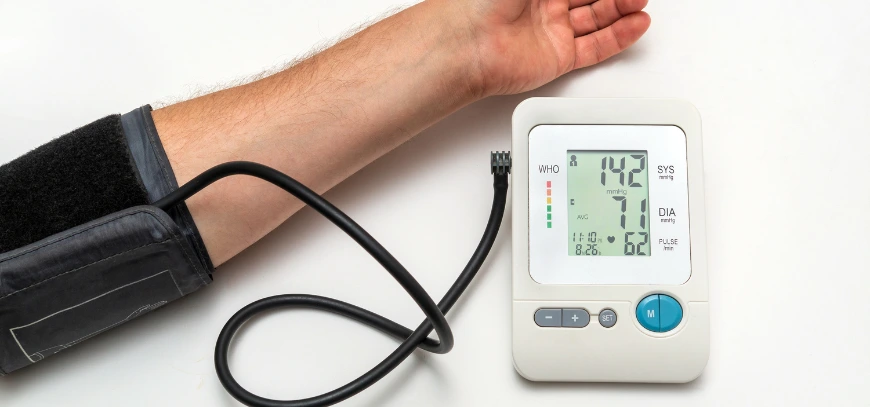
Prevention targets blood pressure, lipids, glucose, antiplatelet or anticoagulant therapy when indicated, and lifestyle modification. Atrial fibrillation detection and appropriate anticoagulation significantly reduce cardioembolic stroke recurrence.
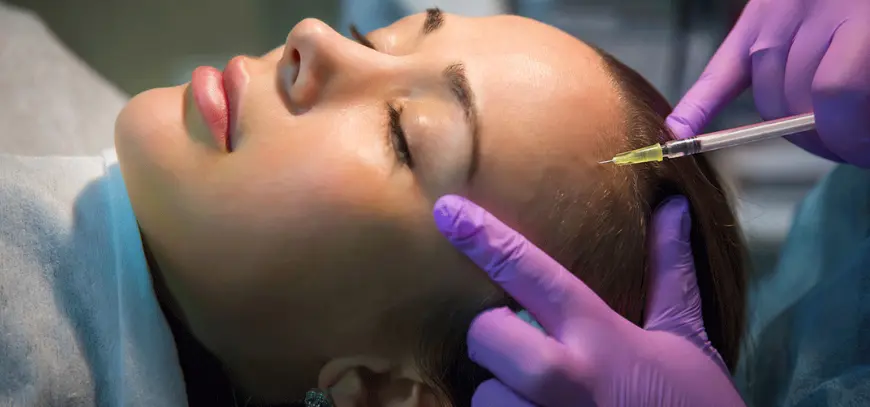
Recovery support addresses spasticity with physiotherapy and Botox when needed, post-stroke depression screening, cognitive rehabilitation referral, and caregiver education. Goals are tailored — returning to work in Gachibowli's IT sector, independent mobility, or safe swallowing for nutrition.
NeuMed Clinics maintains accessible follow-up in Nallagandla with coordination to Dr. Pranavi Reddy for hypertension and diabetes management — essential pillars of stroke prevention.
Many patients combine care at NeuMed Clinics with workplace health programmes or insurance-supported investigations. Our team helps coordinate referral letters, prescription documentation and follow-up timing to fit professional schedules common across Gachibowli and Financial District workplaces.
Clinical insight: Stroke is a medical emergency when acute — but long-term prevention and rehabilitation planning save lives and restore independence. Specialist neurological follow-up after stroke is essential.
Diagnostic Evaluation
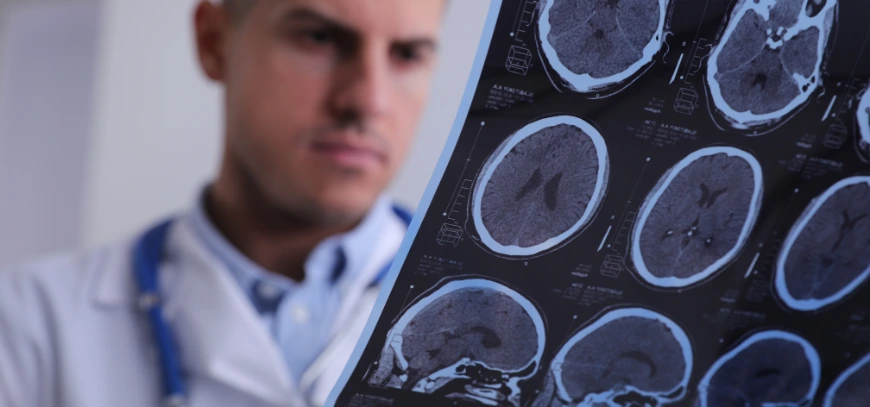
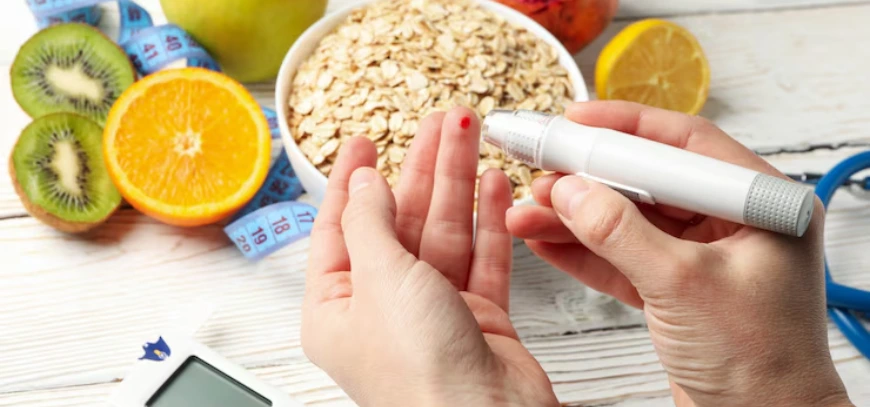
Diagnostic workup after stroke or TIA includes brain imaging review (CT/MRI), vascular imaging of carotid arteries when appropriate, echocardiography for cardiac sources, continuous or intermittent heart rhythm monitoring for atrial fibrillation, and blood tests for lipids, glucose, homocysteine and inflammatory markers as clinically indicated.
Ongoing monitoring tracks blood pressure trends, INR for warfarin patients, and lipid levels on statin therapy. Repeat imaging is reserved for new symptoms or specific clinical indications.
Cognitive screening tools assess post-stroke memory and executive function. Swallowing evaluation is arranged when aspiration risk is suspected.
Risk scores such as ABCD2 for TIA help guide urgency and intensity of early intervention. Each patient's profile determines the investigation bundle — avoiding unnecessary tests while missing no critical source.
Family involvement is welcomed when appropriate. Caregivers, spouses or parents accompanying patients receive clear explanations of the treatment plan, improving adherence and home monitoring for symptoms that matter between visits.
Treatment Options
Secondary prevention typically includes antiplatelet agents (aspirin, clopidogrel) or anticoagulation for atrial fibrillation, high-intensity statin therapy, blood pressure control, diabetes management and smoking cessation support. Carotid revascularisation may be indicated for severe symptomatic stenosis — referred to vascular surgery centres.
Rehabilitation encompasses physiotherapy for mobility and balance, occupational therapy for daily activities, speech therapy for aphasia and dysarthria, and psychological support for depression and adjustment. Spasticity may respond to oral agents, Botox injections or intrathecal baclofen in selected cases.
Medication adherence counselling addresses common barriers — cost, side effects, polypharmacy confusion. Simplified regimens and caregiver involvement improve compliance.
Long-term follow-up intervals adapt to stability — frequently after recent stroke, then every three to six months when risk factors are controlled and recovery plateaus.
Seasonal patterns in Hyderabad — monsoon-related infections, summer dehydration, festival dietary changes — are factored into preventive counselling so your management plan remains relevant throughout the year.
Lifestyle & Prevention
Mediterranean-style diet rich in vegetables, whole grains, legumes and healthy fats supports vascular health. Limit salt intake for blood pressure control — particularly relevant for Hyderabad diets with pickled and processed foods.
Regular aerobic exercise as tolerated — walking, stationary cycling — improves cardiovascular fitness and mood. Smoking cessation is non-negotiable; even after stroke, quitting reduces recurrence risk substantially.
Moderate alcohol consumption only if approved by your physician; excess alcohol raises blood pressure and bleeding risk. Weight management and sleep apnoea treatment further reduce vascular strain.
Caregiver wellbeing matters. NeuMed Clinics encourages family education on stroke warning signs, medication schedules and safe home modifications to prevent falls during recovery.
NeuMed Clinics emphasises evidence-based medicine aligned with national and international guidelines, adapted to individual patient context, comorbidities and personal preferences rather than rigid protocol-only care.
What to Expect at Your Visit
Bring hospital discharge summaries, CD or reports of brain imaging, current medication list and recent blood test results to your first post-stroke visit at NeuMed Clinics. Family members who assist daily care are welcome to attend.
Dr. Dheemanth Reddy reviews deficits, prevention plan and rehabilitation progress, adjusting therapy as needed. Referral letters for physiotherapy or further investigations are provided when required.
Follow-up frequency is highest in the first six months post-stroke, then tailored to individual stability. Contact the clinic for worsening weakness, new speech difficulty or mood deterioration between visits.
NeuMed Clinics, Nallagandla, serves patients across Hyderabad including Gachibowli and Kondapur. Book at tdappointments.com or call 94947 56675.
For residents of Nallagandla and neighbouring layouts, having specialist neurology consultation locally reduces travel burden during illness or when mobility is limited. Same-day appointment availability is pursued whenever clinic capacity allows.
Remember FAST: Face drooping, Arm weakness, Speech difficulty, Time to call emergency services. Sudden severe headache, vision loss or confusion may also indicate stroke. Do not wait for a clinic appointment — go to the nearest emergency hospital immediately.
Evaluation includes blood pressure, cholesterol, blood sugar, heart rhythm assessment for atrial fibrillation, carotid evaluation when indicated, and review of lifestyle factors. Dr. Dheemanth Reddy personalises prevention based on your vascular risk profile.
Recovery involves physiotherapy, speech therapy, medication optimisation, mood support and secondary prevention. NeuMed Clinics coordinates long-term neurological follow-up alongside rehabilitation specialists.
Uncontrolled high blood pressure is a major stroke risk factor. Blood pressure management — often coordinated with Dr. Pranavi Reddy for general medicine aspects — is central to stroke prevention.
Acute stroke treatment including thrombolysis requires hospital emergency facilities. NeuMed Clinics provides planned post-stroke care, prevention and recovery support — not emergency stroke treatment.
Medical disclaimer: This page provides general health information and does not replace professional medical advice, diagnosis or treatment. Always consult a qualified healthcare provider for concerns about your health. If you have a medical emergency, call emergency services or visit the nearest hospital immediately. Individual results and treatment plans vary.
Frequently Asked Questions
What are warning signs of stroke?
Remember FAST: Face drooping, Arm weakness, Speech difficulty, Time to call emergency services. Sudden severe headache, vision loss or confusion may also indicate stroke. Do not wait for a clinic appointment — go to the nearest emergency hospital immediately.
How is stroke risk assessed?
Evaluation includes blood pressure, cholesterol, blood sugar, heart rhythm assessment for atrial fibrillation, carotid evaluation when indicated, and review of lifestyle factors. Dr. Dheemanth Reddy personalises prevention based on your vascular risk profile.
What happens after a stroke in recovery phase?
Recovery involves physiotherapy, speech therapy, medication optimisation, mood support and secondary prevention. NeuMed Clinics coordinates long-term neurological follow-up alongside rehabilitation specialists.
Can hypertension cause stroke?
Uncontrolled high blood pressure is a major stroke risk factor. Blood pressure management — often coordinated with Dr. Pranavi Reddy for general medicine aspects — is central to stroke prevention.
Is NeuMed Clinics equipped for acute stroke treatment?
Acute stroke treatment including thrombolysis requires hospital emergency facilities. NeuMed Clinics provides planned post-stroke care, prevention and recovery support — not emergency stroke treatment.
Medical disclaimer: This page provides general health information and does not replace professional medical advice, diagnosis or treatment. Always consult a qualified healthcare provider for concerns about your health. If you have a medical emergency, call emergency services or visit the nearest hospital immediately. Individual results and treatment plans vary.