Understanding the Condition
Epilepsy is one of the most common serious neurological conditions worldwide, characterised by a persistent tendency toward unprovoked seizures. Seizures result from sudden, excessive electrical discharges in brain networks, manifesting as convulsions, brief staring episodes, abnormal sensations, or impaired awareness depending on where activity begins and spreads.
Epilepsy syndromes vary by age — childhood absence epilepsy, juvenile myoclonic epilepsy, temporal lobe epilepsy and others — each with distinct prognosis and treatment implications. Provoked seizures from fever, alcohol withdrawal, low sodium or acute brain injury differ from epilepsy and may not require long-term antiepileptic therapy.
At NeuMed Clinics in Nallagandla, Dr. Dheemanth Reddy evaluates patients from across Hyderabad — including Gachibowli, Kondapur and Financial District — who experience first seizures, recurrent episodes, or poorly controlled epilepsy despite treatment. Accurate syndrome classification guides optimal drug selection and counselling on prognosis.
Living with epilepsy involves medical management plus safety planning, psychosocial support and addressing stigma. NeuMed Clinics provides a respectful environment where patients and families receive clear guidance on medication, lifestyle and when to seek emergency care.
Hyderabad's western corridor — including Nallagandla, Gachibowli and Kondapur — has seen growing demand for structured neurology services that combine clinical expertise with accessible community-based care. NeuMed Clinics was established to meet that need with extended weekday and weekend hours.
Telephone support during clinic hours helps address interim questions about medication side effects, test result clarification or appointment rescheduling — supporting continuity without unnecessary duplicate visits.
Common Symptoms
Generalised tonic-clonic seizures cause sudden loss of consciousness, stiffening and rhythmic jerking of limbs, followed by confusion and fatigue. Absence seizures produce brief staring with unresponsiveness, often mistaken for daydreaming in children.
Focal seizures may involve odd smells, déjà vu, lip smacking, hand fumbling or one-sided jerking with or without impaired awareness. Focal to bilateral tonic-clonic seizures begin locally then spread.
Non-epileptic events — syncope, psychogenic seizures, sleep disorders — can mimic epilepsy. Detailed history from witnesses is invaluable. Video recordings of episodes on smartphones greatly assist differential diagnosis.
Status epilepticus — prolonged seizure or repeated seizures without recovery — is a neurological emergency requiring immediate hospital treatment.
Continuity of care matters. Dr. Dheemanth Reddy maintains records across visits so adjustments reflect your full history rather than isolated snapshots. This longitudinal approach is especially valuable for chronic conditions requiring months or years of coordinated management.
Preventive screening and complication monitoring are scheduled proactively at NeuMed Clinics, so emerging issues are addressed early rather than after advanced progression requiring hospital intervention.
When to Seek Medical Care
Call emergency services for first-time generalised convulsion lasting more than five minutes, repeated seizures without regaining consciousness, seizure in pregnancy, seizure with significant injury, or prolonged post-ictal confusion.
Schedule neurological consultation after any unprovoked seizure, change in seizure pattern, breakthrough seizures on medication, or side effects from antiepileptic drugs affecting cognition, mood or coordination.
Women planning pregnancy should consult before conception to optimise medication choices that balance seizure control and fetal safety.
NeuMed Clinics offers planned epilepsy appointments — not emergency seizure treatment. Acute management occurs in hospital settings.
Patient education is embedded in every consultation at NeuMed Clinics. You receive practical written guidance on warning signs, medication schedules, lifestyle priorities and when to seek urgent care — reducing uncertainty between appointments.
Hyderabad's western corridor — including Nallagandla, Gachibowli and Kondapur — has seen growing demand for structured neurology services that combine clinical expertise with accessible community-based care. NeuMed Clinics was established to meet that need with extended weekday and weekend hours.
Our Approach at NeuMed Clinics
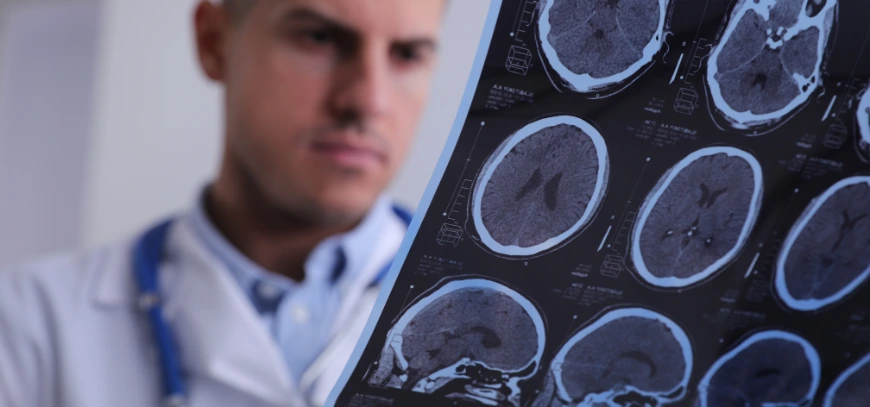
Our approach combines meticulous history — including eyewitness accounts — neurological examination, EEG when indicated, and MRI brain to identify structural causes such as mesial temporal sclerosis, cortical dysplasia or prior stroke scars.
Dr. Dheemanth Reddy selects antiepileptic medications based on syndrome type, patient age, comorbidities, drug interactions and childbearing plans. Monotherapy at the lowest effective dose is preferred before adding second agents.
Patient education covers strict medication adherence, sleep deprivation avoidance, alcohol moderation, and seizure action plans for family and workplace. School and employer letters are provided when needed.
Regular follow-up monitors seizure frequency, drug levels where applicable, liver function, blood counts and quality of life. Treatment is adjusted collaboratively based on patient priorities and objective outcomes.
Many patients combine care at NeuMed Clinics with workplace health programmes or insurance-supported investigations. Our team helps coordinate referral letters, prescription documentation and follow-up timing to fit professional schedules common across Gachibowli and Financial District workplaces.
Continuity of care matters. Dr. Dheemanth Reddy maintains records across visits so adjustments reflect your full history rather than isolated snapshots. This longitudinal approach is especially valuable for chronic conditions requiring months or years of coordinated management.
Clinical insight: A single seizure does not always mean epilepsy — but recurrent unprovoked seizures require specialist neurological evaluation and a structured management plan.
Diagnostic Evaluation
EEG records brain electrical activity and may capture interictal epileptiform discharges supporting diagnosis. Sleep-deprived EEG and prolonged video-EEG increase yield when standard recordings are normal but suspicion remains high.
MRI brain with epilepsy protocol detects hippocampal sclerosis, tumours, vascular malformations and cortical malformations. CT is used when MRI is unavailable or in acute settings.
Blood tests screen for metabolic triggers — glucose, sodium, calcium, liver function — and monitor antiepileptic drug levels and haematological effects of chronic therapy.
Classification using ILAE terminology (focal vs generalised, aware vs impaired awareness) standardises communication with patients, families and referring physicians across the care continuum.
Family involvement is welcomed when appropriate. Caregivers, spouses or parents accompanying patients receive clear explanations of the treatment plan, improving adherence and home monitoring for symptoms that matter between visits.
Patient education is embedded in every consultation at NeuMed Clinics. You receive practical written guidance on warning signs, medication schedules, lifestyle priorities and when to seek urgent care — reducing uncertainty between appointments.
Treatment Options
First-line antiepileptic drugs include levetiracetam, lamotrigine, valproate (with caution in women of childbearing potential), oxcarbazepine and others selected individually. Slow titration minimises rash and cognitive side effects.
Drug-resistant epilepsy — failure of two appropriate trials — warrants referral for surgical evaluation, vagus nerve stimulation or ketogenic diet consideration at specialised centres. NeuMed Clinics coordinates referrals when indicated.
Rescue medications such as buccal midazolam may be prescribed for patients with prolonged clusters, with caregiver training on administration.
Psychological support addresses anxiety, depression and social isolation common in chronic epilepsy. Vocational counselling helps young adults in Hyderabad's competitive job market navigate disclosure and workplace accommodations.
Seasonal patterns in Hyderabad — monsoon-related infections, summer dehydration, festival dietary changes — are factored into preventive counselling so your management plan remains relevant throughout the year.
Lifestyle & Prevention
Sleep deprivation is a powerful seizure trigger — maintain seven to eight hours nightly with consistent schedules. Shift workers in IT hubs near Gachibowli should discuss risk mitigation with their neurologist.
Avoid unsupervised swimming, operating heavy machinery at heights, and driving until legally cleared. Shower rather than bath when possible; use guards on open flames during cooking if seizures are uncontrolled.
Alcohol lowers seizure threshold; moderation or abstinence is advised. Illicit drugs and certain over-the-counter stimulants pose additional risks.
Wear medical identification alerting others to epilepsy and emergency contacts. Family members should learn recovery position and when to administer rescue medication versus calling ambulance.
NeuMed Clinics emphasises evidence-based medicine aligned with national and international guidelines, adapted to individual patient context, comorbidities and personal preferences rather than rigid protocol-only care.
What to Expect at Your Visit
First epilepsy consultations at NeuMed Clinics are comprehensive. Bring eyewitness descriptions, video recordings if available, prior EEG/MRI reports, and full medication history including supplements.
Dr. Dheemanth Reddy explains diagnosis, initial treatment plan, expected timeline for seizure control and safety restrictions. Written seizure action plans are provided for home and school.
Follow-up at two to three months initially, then every three to six months when stable. Blood tests scheduled per medication protocol. Call clinic for breakthrough seizures or concerning side effects.
Located in Nallagandla, Hyderabad — accessible from Gachibowli, Kondapur and Miyapur. Book via tdappointments.com or 94947 56675.
For residents of Nallagandla and neighbouring layouts, having specialist neurology consultation locally reduces travel burden during illness or when mobility is limited. Same-day appointment availability is pursued whenever clinic capacity allows.
A seizure is an episode of abnormal electrical brain activity causing convulsions, staring spells or behavioural changes. Epilepsy is defined by two or more unprovoked seizures separated in time, or one seizure with high recurrence risk. Diagnosis requires clinical and sometimes EEG correlation.
Many patients achieve seizure control with antiepileptic drugs and may eventually taper under supervision after years of stability. Treatment duration depends on epilepsy type, cause and response. Never stop medication abruptly without medical guidance.
EEG supports diagnosis when clinical history suggests epilepsy, helps classify syndrome type, and guides medication selection. A normal EEG does not exclude epilepsy — clinical judgment integrates all data.
Driving regulations in India require a seizure-free period on treatment, certified by a neurologist. Dr. Dheemanth Reddy discusses safety restrictions including driving, swimming and heights based on individual seizure control.
Yes. Paediatric and adult epilepsy evaluation is available. Family-centred education on medication adherence, school safety and emergency action plans is provided.
Medical disclaimer: This page provides general health information and does not replace professional medical advice, diagnosis or treatment. Always consult a qualified healthcare provider for concerns about your health. If you have a medical emergency, call emergency services or visit the nearest hospital immediately. Individual results and treatment plans vary.
Frequently Asked Questions
What is the difference between a seizure and epilepsy?
A seizure is an episode of abnormal electrical brain activity causing convulsions, staring spells or behavioural changes. Epilepsy is defined by two or more unprovoked seizures separated in time, or one seizure with high recurrence risk. Diagnosis requires clinical and sometimes EEG correlation.
Will I need lifelong medication?
Many patients achieve seizure control with antiepileptic drugs and may eventually taper under supervision after years of stability. Treatment duration depends on epilepsy type, cause and response. Never stop medication abruptly without medical guidance.
Is EEG always required?
EEG supports diagnosis when clinical history suggests epilepsy, helps classify syndrome type, and guides medication selection. A normal EEG does not exclude epilepsy — clinical judgment integrates all data.
Can I drive if I have epilepsy?
Driving regulations in India require a seizure-free period on treatment, certified by a neurologist. Dr. Dheemanth Reddy discusses safety restrictions including driving, swimming and heights based on individual seizure control.
Does NeuMed Clinics treat children with epilepsy?
Yes. Paediatric and adult epilepsy evaluation is available. Family-centred education on medication adherence, school safety and emergency action plans is provided.
Medical disclaimer: This page provides general health information and does not replace professional medical advice, diagnosis or treatment. Always consult a qualified healthcare provider for concerns about your health. If you have a medical emergency, call emergency services or visit the nearest hospital immediately. Individual results and treatment plans vary.