Understanding the Condition
Hypertension — persistently elevated blood pressure — is a major public health challenge in urban India, including Hyderabad's western corridors of Nallagandla, Gachibowli and Kondapur. It damages arteries over years, increasing risk of stroke, heart attack, heart failure, kidney disease and vision loss. Many individuals remain undiagnosed because hypertension rarely causes symptoms until complications arise.
Blood pressure fluctuates with activity, stress, caffeine and time of day. Diagnosis requires repeated measurements in calm conditions, often supplemented by twenty-four-hour ambulatory monitoring or structured home readings to exclude white-coat hypertension.
Primary hypertension accounts for most cases and relates to genetics, age, weight, salt intake, physical inactivity and alcohol. Secondary hypertension from kidney disease, adrenal disorders, sleep apnoea or medications requires targeted investigation when suggested by clinical clues.
At NeuMed Clinics, Dr. Pranavi Reddy approaches hypertension as part of whole-person cardiovascular care — integrating diabetes, lipid management and lifestyle counselling for sustainable blood pressure control.
Hyderabad's western corridor — including Nallagandla, Gachibowli and Kondapur — has seen growing demand for structured general medicine services that combine clinical expertise with accessible community-based care. NeuMed Clinics was established to meet that need with extended weekday and weekend hours.
Telephone support during clinic hours helps address interim questions about medication side effects, test result clarification or appointment rescheduling — supporting continuity without unnecessary duplicate visits.
Common Symptoms
Most hypertensive patients feel well. Severe elevation may cause headache, dizziness, chest pain or breathlessness — particularly in hypertensive emergencies requiring urgent hospital care.
Complications present after sustained damage: stroke symptoms, angina, leg swelling from heart failure, reduced urine output from kidney impairment, or visual blurring from hypertensive retinopathy.
Medication side effects — ankle swelling from calcium channel blockers, cough from ACE inhibitors, fatigue from beta-blockers — should be reported for regimen adjustment rather than silent discontinuation.
Orthostatic symptoms (lightheadedness on standing) may indicate overtreatment or autonomic dysfunction, especially in elderly patients.
Continuity of care matters. Dr. Pranavi Reddy maintains records across visits so adjustments reflect your full history rather than isolated snapshots. This longitudinal approach is especially valuable for chronic conditions requiring months or years of coordinated management.
Preventive screening and complication monitoring are scheduled proactively at NeuMed Clinics, so emerging issues are addressed early rather than after advanced progression requiring hospital intervention.
When to Seek Medical Care
Seek emergency care for blood pressure above 180/120 mmHg with chest pain, shortness of breath, neurological symptoms or severe headache — possible hypertensive emergency.
Schedule consultation when home or clinic readings repeatedly exceed target, when starting new medications that may raise blood pressure, during pregnancy, or if current treatment no longer controls readings.
Annual screening is recommended for adults; more frequent if overweight, diabetic, or family history of premature cardiovascular disease.
NeuMed Clinics in Nallagandla offers accessible hypertension follow-up for residents of Gachibowli, Kondapur and surrounding areas.
Patient education is embedded in every consultation at NeuMed Clinics. You receive practical written guidance on warning signs, medication schedules, lifestyle priorities and when to seek urgent care — reducing uncertainty between appointments.
Hyderabad's western corridor — including Nallagandla, Gachibowli and Kondapur — has seen growing demand for structured general medicine services that combine clinical expertise with accessible community-based care. NeuMed Clinics was established to meet that need with extended weekday and weekend hours.
Our Approach at NeuMed Clinics
Our approach includes accurate measurement technique, cardiovascular risk assessment, investigation for secondary causes when indicated, and shared decision-making on treatment intensity. Dr. Pranavi Reddy explains targets based on age and comorbidities — stricter for diabetes, slightly relaxed for frail elderly when appropriate.
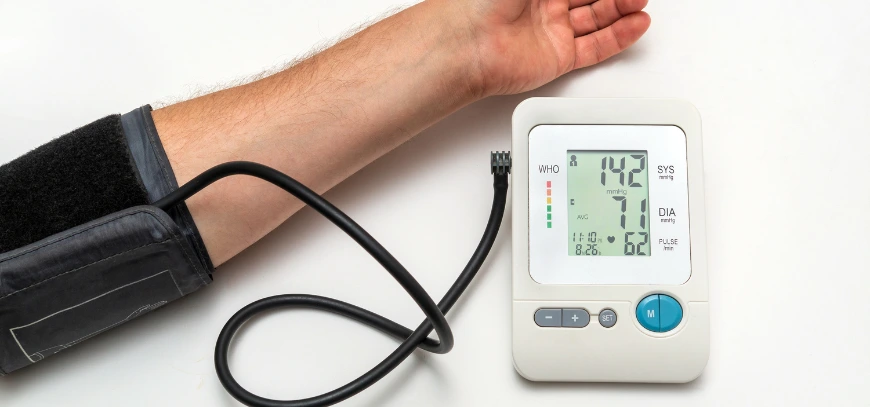
Home blood pressure monitoring is encouraged with validated devices and proper cuff size. Patients receive log sheets or app recommendations for consistent recording.
Medication selection considers kidney function, heart rate, asthma history, pregnancy plans and drug interactions. Single-pill combinations improve adherence when multiple agents are needed.
Coordination with Dr. Dheemanth Reddy for stroke prevention counselling ensures neurological and general medicine perspectives align for high-risk vascular patients.
Many patients combine care at NeuMed Clinics with workplace health programmes or insurance-supported investigations. Our team helps coordinate referral letters, prescription documentation and follow-up timing to fit professional schedules common across Gachibowli and Financial District workplaces.
Continuity of care matters. Dr. Pranavi Reddy maintains records across visits so adjustments reflect your full history rather than isolated snapshots. This longitudinal approach is especially valuable for chronic conditions requiring months or years of coordinated management.
Clinical insight: Hypertension is often silent until complications occur. Regular monitoring and tailored treatment protect long-term cardiovascular and neurological health.
Diagnostic Evaluation
Baseline tests include serum creatinine, electrolytes, fasting glucose, lipid profile, urine albumin-creatinine ratio, ECG and complete blood count. Echocardiography or renal ultrasound are arranged when clinically warranted.
Ambulatory blood pressure monitoring distinguishes sustained hypertension from white-coat effect and assesses nocturnal dipping patterns linked to cardiovascular risk.
Secondary hypertension screening — renal artery Doppler, aldosterone-renin ratio, thyroid function, sleep study for apnoea — targets patients with resistant hypertension, young onset, or hypokalaemia.
Fundoscopy or referral for retinal examination detects hypertensive end-organ damage. Regular monitoring tracks treatment response and organ protection over time.
Family involvement is welcomed when appropriate. Caregivers, spouses or parents accompanying patients receive clear explanations of the treatment plan, improving adherence and home monitoring for symptoms that matter between visits.
Patient education is embedded in every consultation at NeuMed Clinics. You receive practical written guidance on warning signs, medication schedules, lifestyle priorities and when to seek urgent care — reducing uncertainty between appointments.
Treatment Options
First-line agents include ACE inhibitors, ARBs, calcium channel blockers and thiazide diuretics — chosen individually. Combination therapy is common for stage 2 hypertension or high-risk profiles.
Lifestyle prescription parallels medication: DASH-style diet, sodium restriction below five grams daily, weight loss of five to ten percent if overweight, one hundred fifty minutes weekly moderate exercise, alcohol moderation and stress reduction.
Resistant hypertension — uncontrolled on three agents including a diuretic — prompts adherence review, diuretic optimisation, sleep apnoea evaluation and specialist referral when needed.
Treatment goals evolve with clinical trials evidence and patient tolerance. Regular follow-up prevents both undertreatment and overtreatment complications.
Seasonal patterns in Hyderabad — monsoon-related infections, summer dehydration, festival dietary changes — are factored into preventive counselling so your management plan remains relevant throughout the year.
Many patients combine care at NeuMed Clinics with workplace health programmes or insurance-supported investigations. Our team helps coordinate referral letters, prescription documentation and follow-up timing to fit professional schedules common across Gachibowli and Financial District workplaces.
Lifestyle & Prevention
Reduce dietary salt — limit pickles, papads, restaurant foods and packaged snacks common in Hyderabad cuisine. Increase potassium-rich fruits and vegetables when kidney function permits.
Regular walking, cycling or swimming supports weight and blood pressure control. Even ten-minute movement breaks during desk work in Gachibowli offices benefit sedentary professionals.
Limit alcohol to moderate intake; excess raises blood pressure. Manage stress through sleep hygiene, mindfulness or counselling — chronic stress sustains elevated readings.
Maintain medication routine with pill organisers or phone reminders. Never stop antihypertensives abruptly without medical advice.
NeuMed Clinics emphasises evidence-based medicine aligned with national and international guidelines, adapted to individual patient context, comorbidities and personal preferences rather than rigid protocol-only care.
Family involvement is welcomed when appropriate. Caregivers, spouses or parents accompanying patients receive clear explanations of the treatment plan, improving adherence and home monitoring for symptoms that matter between visits.
What to Expect at Your Visit
Bring home blood pressure logs, current medications including over-the-counter drugs, and prior lab reports to NeuMed Clinics. Rest five minutes before measurement on arrival for accurate clinic reading.
Dr. Pranavi Reddy reviews trends, adjusts therapy, orders monitoring labs and discusses lifestyle goals. You leave with clear targets and next follow-up timing.
Stable patients may follow up every three to six months; newly diagnosed or adjusted regimens require earlier review.
NeuMed Clinics, Nallagandla, Hyderabad — book at tdappointments.com or call 94947 56675.
For residents of Nallagandla and neighbouring layouts, having specialist general medicine consultation locally reduces travel burden during illness or when mobility is limited. Same-day appointment availability is pursued whenever clinic capacity allows.
Generally, readings consistently at or above 130/80 mmHg warrant lifestyle intervention and often medication depending on overall cardiovascular risk. Dr. Pranavi Reddy interprets readings in context of age, comorbidities and home monitoring trends.
Mild elevation in low-risk individuals may respond to salt reduction, weight loss and exercise. Moderate or high-risk profiles usually require medication alongside lifestyle measures. Treatment is individualised.
Home monitoring several times weekly provides better control assessment than occasional clinic readings alone. Bring your home log to appointments at NeuMed Clinics.
Very high blood pressure may cause headache, but most hypertension is asymptomatic. Do not rely on symptoms — regular screening is essential.
Yes — uncontrolled hypertension is a leading stroke risk factor. Coordinated care with Dr. Dheemanth Reddy for neurological aspects may be recommended when stroke risk is elevated.
Medical disclaimer: This page provides general health information and does not replace professional medical advice, diagnosis or treatment. Always consult a qualified healthcare provider for concerns about your health. If you have a medical emergency, call emergency services or visit the nearest hospital immediately. Individual results and treatment plans vary.
Frequently Asked Questions
What blood pressure is considered high?
Generally, readings consistently at or above 130/80 mmHg warrant lifestyle intervention and often medication depending on overall cardiovascular risk. Dr. Pranavi Reddy interprets readings in context of age, comorbidities and home monitoring trends.
Do I need medication or can lifestyle changes suffice?
Mild elevation in low-risk individuals may respond to salt reduction, weight loss and exercise. Moderate or high-risk profiles usually require medication alongside lifestyle measures. Treatment is individualised.
How often should I check my blood pressure?
Home monitoring several times weekly provides better control assessment than occasional clinic readings alone. Bring your home log to appointments at NeuMed Clinics.
Can hypertension cause headaches?
Very high blood pressure may cause headache, but most hypertension is asymptomatic. Do not rely on symptoms — regular screening is essential.
Is hypertension linked to stroke?
Yes — uncontrolled hypertension is a leading stroke risk factor. Coordinated care with Dr. Dheemanth Reddy for neurological aspects may be recommended when stroke risk is elevated.
Medical disclaimer: This page provides general health information and does not replace professional medical advice, diagnosis or treatment. Always consult a qualified healthcare provider for concerns about your health. If you have a medical emergency, call emergency services or visit the nearest hospital immediately. Individual results and treatment plans vary.